
Building a home office that truly supports productivity is no longer a luxury—it is a practical investment in how you work every day. As remote and hybrid work models become permanent for many professionals, the quality of a home workspace directly affects focus, efficiency, and long-term comfort. A thoughtfully designed office can reduce distractions, support healthy routines, and make daily tasks feel more manageable.
Productivity starts with intention. Many home offices fail because they are treated as afterthoughts rather than purpose-built environments. Converting a spare bedroom or corner of the house without addressing layout, lighting, temperature control, and storage often leads to frustration over time. A high-performing home office should be planned with the same care as any other functional space in the home.
Another critical factor is flexibility. Work demands evolve, technology changes, and household needs shift. A productive home office should be able to adapt without requiring constant rework. Designing with future use in mind allows the space to remain functional whether your workload increases, your role changes, or additional household members need workspace access.
Comfort also plays a central role in productivity. Ergonomics, air quality, and temperature regulation all influence how long you can work effectively without fatigue. Ignoring these elements can lead to physical discomfort and reduced concentration, even in a visually appealing office.
Noise control is another often-overlooked issue. Whether it is street noise, household activity, or mechanical sounds, unwanted noise can disrupt deep work. Strategic placement, insulation, and layout decisions help minimize interruptions and create a focused environment.
Storage and organization deserve equal attention. Clutter has a measurable impact on cognitive load and decision-making. A well-organized office supports faster task completion and reduces the mental friction associated with misplaced items or crowded surfaces.
A productive home office should also reflect personal style without sacrificing function. Visual appeal matters, but it should serve the work being done rather than distract from it. The right balance between aesthetics and usability creates a space that feels motivating instead of overwhelming.
Ultimately, building a productive home office is about aligning the space with how you work best. The following sections explore practical, high-impact strategies for designing or remodeling a home office that supports efficiency, comfort, and long-term performance.
Working With Home Remodelers

Partnering with experienced remodeling contractors can significantly streamline the process of creating a functional home office. Professionals bring technical expertise, code compliance knowledge, and design insight that homeowners often lack. This is especially important when structural changes, electrical upgrades, or soundproofing are involved.
Remodeling contractors can assess your existing space and identify limitations that may not be immediately obvious. Issues such as insufficient load-bearing capacity, outdated wiring, or poor insulation can undermine productivity if left unaddressed. Addressing these concerns early prevents costly corrections later.
Another advantage of working with professionals is project coordination. A home office remodel may involve carpenters, electricians, HVAC specialists, and finish installers. Coordinated scheduling ensures the project stays on track and minimizes disruption to daily life.
Contractors also help balance budget and performance. They can recommend materials and layouts that deliver long-term value rather than short-term savings. This guidance is especially useful when deciding where to invest more heavily, such as soundproofing or custom built-ins.
Building an Addition Onto Your Home
When existing interior space is insufficient, building an addition can be an effective solution for a dedicated home office. Working with a custom home builder allows you to design a workspace from the ground up, tailored specifically to your professional needs.
An addition offers complete control over layout, natural light, ceiling height, and access points. This level of customization is ideal for professionals who require quiet, separation from household activity, or space for client meetings.
Building an addition also allows for advanced infrastructure planning. Dedicated electrical circuits, high-speed data wiring, and enhanced insulation can be integrated during construction rather than retrofitted later.
While additions require a larger upfront investment, they often increase overall property value. A well-designed office addition can serve multiple purposes in the future, making it a flexible asset rather than a single-use space.
Building a Pole Barn Home Office
Pole barns are increasingly being adapted into modern, functional workspaces. Traditionally associated with agricultural storage, pole barns now offer flexible, cost-effective solutions for detached home offices.
The open-span design of pole barns allows for customizable interior layouts without load-bearing walls. This makes it easier to create large work areas, meeting spaces, or storage zones within a single structure.
Pole barns are also well-suited for properties with ample land. A detached office reduces household distractions and creates a clear boundary between work and personal life. This physical separation often improves focus and work-life balance.
With proper insulation, climate control, and finishes, pole barns can feel just as comfortable as traditional home offices while offering greater flexibility and scalability.
Cooling Your Home Office
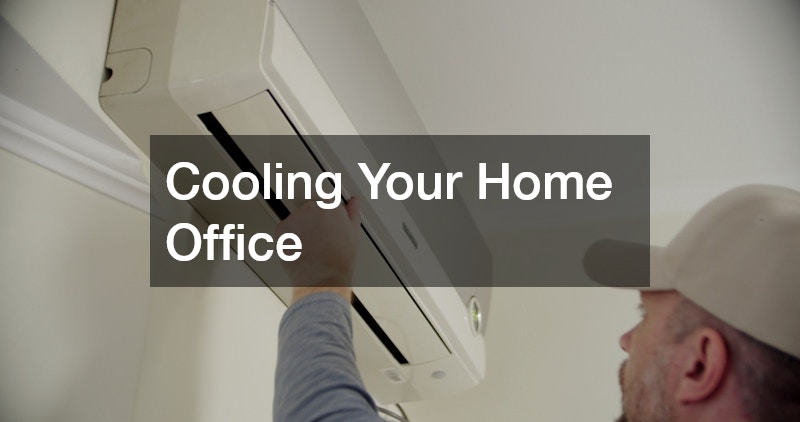
Temperature regulation plays a critical role in cognitive performance. An overheated office can lead to fatigue, while inconsistent cooling can disrupt concentration. In some cases, air conditioning replacement services are necessary to support a new or expanded workspace.
Older HVAC systems may not be designed to handle additional square footage or increased equipment heat loads. Upgrading ensures consistent cooling and improved energy efficiency, especially during peak work hours.
Zoned cooling systems are particularly effective for home offices. They allow precise temperature control without overcooling the rest of the house, improving comfort while managing energy costs.
Proper airflow and ventilation also contribute to air quality, which directly impacts alertness and overall well-being during long work sessions.
Heating Your Home Office
Just as cooling matters in warmer months, reliable heating is essential during colder seasons. A dedicated workspace that is too cold can be as distracting as one that is too warm. In some cases, a furnace repair service may be required to maintain consistent heating performance.
Uneven heating often indicates ductwork issues or aging system components. Addressing these problems ensures the home office remains comfortable throughout the day, regardless of outdoor temperatures.
Supplemental heating solutions, such as radiant floor systems or zoned thermostats, can provide additional comfort without overburdening the primary system.
Consistent heating also protects office equipment and materials from temperature-related damage, supporting long-term functionality.
Maintaining Your HVAC System
Ongoing maintenance is essential for keeping a home office comfortable year-round. Partnering with a reliable HVAC company helps ensure systems operate efficiently and predictably.
Routine inspections identify minor issues before they escalate into costly failures. This is particularly important for home offices where downtime directly impacts productivity.
Clean filters, calibrated thermostats, and properly sealed ducts all contribute to stable temperatures and improved air quality. These factors support sustained focus and reduce fatigue.
A well-maintained system also operates more quietly, minimizing background noise that can interfere with calls or deep work.
Remodeling Your Basement
Basements offer valuable square footage for home offices, especially in homes with limited above-ground space. Working with a basement remodeling contractor ensures the space is properly prepared for long-term use.
Moisture control, insulation, and lighting are critical considerations in basement offices. Addressing these factors transforms an underutilized area into a comfortable, productive workspace.
Basements also provide natural sound insulation due to their below-grade location. This makes them ideal for focused work or frequent virtual meetings.
With thoughtful design, a basement office can feel just as inviting and functional as any other part of the home.
Decorating Your Home Office
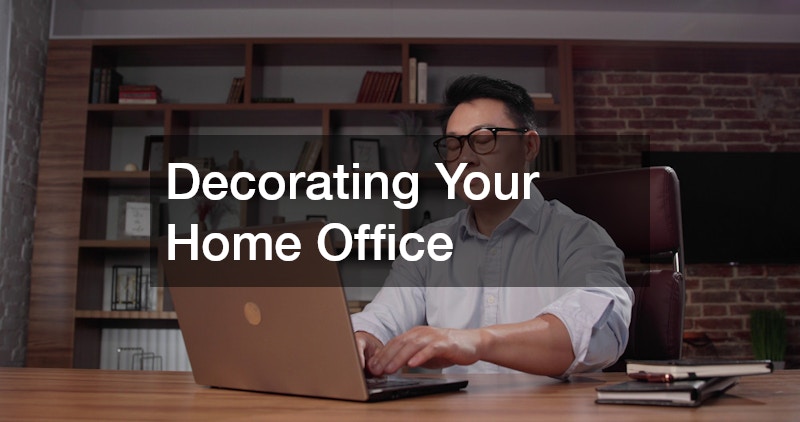
Decor choices influence mood, motivation, and focus. Thoughtful decoration enhances productivity without creating visual clutter. Elements like custom frames allow for personalization while maintaining a professional aesthetic.
Artwork, certificates, or inspirational imagery can reinforce purpose and achievement. Framing these items cohesively creates visual order rather than distraction.
Color selection also matters. Neutral palettes with subtle accents tend to support concentration better than overly bold or contrasting schemes.
Decor should complement functionality, reinforcing the office’s purpose rather than competing for attention.
Optimizing Your Storage
Effective storage is essential for maintaining an organized, distraction-free workspace. A well-designed closet organizer can dramatically improve efficiency by keeping supplies accessible and surfaces clear.
Custom storage solutions adapt to specific work needs, whether that includes files, equipment, or reference materials. This reduces time spent searching for items and supports smoother workflows.
Vertical storage maximizes limited floor space while maintaining visual openness. Closed storage options also help reduce visual noise.
An organized office supports mental clarity, making it easier to prioritize tasks and maintain momentum throughout the day.
Moving Furniture Into Your Home Office

Proper furniture placement impacts both ergonomics and workflow. Professional moving services can simplify the process of setting up a new or remodeled home office, especially when heavy or specialized furniture is involved.
Experienced movers reduce the risk of damage to flooring, walls, and equipment. This is particularly important in newly finished spaces.
Efficient placement ensures desks, storage units, and seating are positioned for optimal use from day one. This minimizes the need for repeated adjustments.
Starting with a well-arranged space allows you to focus on work rather than logistics.
Building the Home Office of Your Dreams
A productive home office is the result of deliberate planning, strategic investment, and attention to detail. From structural decisions to climate control and organization, each element plays a role in supporting how you work.
The most effective offices balance comfort and function without unnecessary complexity. They adapt to changing needs while maintaining a consistent, reliable environment.
Whether you remodel existing space, build new, or convert unconventional structures, the goal remains the same: create a workspace that enables focus, efficiency, and long-term satisfaction.
By addressing layout, temperature, storage, and aesthetics holistically, you reduce friction in daily tasks and support sustained performance.
Professional guidance often accelerates this process, helping avoid common pitfalls and ensuring quality outcomes. Strategic collaboration can turn ambitious ideas into practical solutions.
A well-designed home office also contributes to overall home value and livability. It becomes a versatile asset rather than a single-purpose room.
As work continues to evolve, investing in a productive home office is an investment in adaptability. The right space supports not just current demands, but future opportunities.
Ultimately, building the home office of your dreams means creating an environment that works as hard as you do.
A productive home office also supports mental clarity by reinforcing boundaries between work and personal life. When the space is intentionally designed for professional use, it becomes easier to transition into focused work mode and disengage at the end of the day. This separation reduces burnout and supports more sustainable work habits over time.
Lighting continues to play a critical role long after construction or remodeling is complete. Natural light improves mood and alertness, while layered artificial lighting reduces eye strain during long work sessions. Investing in proper lighting design ensures the space remains usable across different times of day and seasons.
Technology integration is another long-term consideration that affects productivity. Adequate outlets, data ports, and charging stations prevent clutter and eliminate the need for temporary fixes. Planning for future equipment upgrades keeps the office functional as technology evolves.
Acoustics deserve ongoing attention as well. Soft finishes, area rugs, and acoustic panels can significantly reduce echo and background noise. These adjustments improve call quality and make focused work easier, especially in shared households.
Furniture selection should continue to prioritize ergonomics as work routines change. Adjustable desks, supportive seating, and monitor positioning reduce physical strain and support long-term health. Revisiting these elements periodically helps the office adapt to evolving workloads.
Energy efficiency also contributes to a better work environment. Efficient systems and materials reduce utility costs while maintaining consistent comfort. Over time, these savings reinforce the value of thoughtful design choices.
Personalization should evolve with your career. Updating decor, displaying new achievements, or refreshing finishes helps keep the space motivating. A home office that grows with you remains relevant and inspiring.
Maintenance is an often-overlooked factor in productivity. Regular upkeep of systems, finishes, and furnishings prevents small issues from becoming disruptive problems. Proactive care protects both comfort and functionality.
In the end, a successful home office is never truly finished—it is refined over time. Continuous improvements, informed by daily experience, ensure the space remains aligned with your goals, supports productivity, and enhances the way you work.
