
Investing in yourself does not always mean making dramatic changes. In many cases, the most valuable improvements come from addressing everyday concerns before they become larger problems, building healthier routines, and making thoughtful choices about services that support your physical well-being and confidence.
Health and confidence are closely connected. Feeling comfortable in your body, maintaining good oral health, managing pain, and having access to appropriate care can all affect how you feel at work, at home, and in social situations. At the same time, appearance-focused services can play a role in self-care when they are approached with realistic expectations and a clear understanding of the risks and benefits involved.
The key is to make decisions based on your needs, not trends. A treatment that makes sense for one person may offer little value to someone else. Before spending money, consider what problem you are trying to solve, how long the benefits may last, and whether other options are worth considering.
It can also help to think about how a service fits into your broader lifestyle and budget. Some choices may provide immediate benefits, while others offer more value when they support long-term habits, comfort, or preventive care. Taking time to compare providers, understand potential risks, and ask questions before committing can help you make choices that feel more informed and worthwhile.
The following areas provide practical ways to invest in your health, comfort, and long-term confidence.
Address Small Health Concerns Before They Disrupt Daily Life

Many people postpone seeking care because a symptom does not seem serious enough to justify an appointment. Sometimes that is reasonable. Minor aches, temporary fatigue, and mild illnesses often improve on their own. Problems become more concerning when symptoms persist, worsen, or begin interfering with everyday activities.
Pay attention to changes in how you feel and function. If discomfort begins affecting sleep, exercise, work, concentration, or normal routines, it may be worth having the issue evaluated.
A walk in clinic can be helpful when you need timely attention for a non-emergency concern but cannot easily schedule a traditional appointment. Depending on the facility and the services it offers, this type of care may be appropriate for issues such as:
- Minor illnesses
- Mild infections
- Sprains or strains
- Small cuts
- Rashes or skin irritation
- Persistent coughs
- Basic testing
- Other non-life-threatening symptoms
It is important to understand the limits of same-day care. Severe chest pain, trouble breathing, major injuries, stroke symptoms, heavy bleeding, or other potentially life-threatening problems require emergency evaluation rather than routine treatment.
Ongoing pain deserves attention as well. Back discomfort is especially common, and it can gradually change how someone moves, sleeps, exercises, and works.
If pain continues returning or limits normal activity, consulting a back pain relief doctor may help identify whether the issue appears related to muscles, joints, posture, repetitive movement, or another source.
Before an appointment, keep track of patterns such as:
- When the pain begins
- Which movements make it worse
- Whether sitting or standing changes it
- How long symptoms last
- Whether pain travels into another area
- What has provided temporary relief
The goal should be to understand what is causing the problem rather than repeatedly masking discomfort without addressing the underlying issue.
Investing in health often begins with something simple: noticing when your body is telling you that something has changed.
Make Cosmetic Decisions Based on Your Own Goals
Appearance can influence confidence, but cosmetic care is most useful when it supports a goal you have chosen for yourself rather than a standard you feel pressured to meet.
Before scheduling any aesthetic procedure, identify exactly what you hope to change. A vague desire to “look better” can make it difficult to judge whether a treatment actually meets your expectations. A more specific goal gives you and the provider something concrete to discuss.
For people considering professional aesthetic treatments, medical spas may offer a range of non-surgical services. The qualifications of the people providing those treatments can vary, so research is an important part of the decision.
Before scheduling, ask about:
- Who will perform the procedure
- Their licensing and training
- What products or equipment will be used
- Possible side effects
- Recovery expectations
- What happens if complications occur
- How long results typically last
A consultation should give you an opportunity to discuss your concerns without feeling pressured to book immediately.
Treatments such as dermal fillers are commonly used for specific cosmetic goals involving facial volume or contour. Results are temporary, and suitability depends on the individual, the treatment area, and the product used.
Questions worth asking include:
- What result is realistic for me?
- How much product is being recommended?
- How long might the effect last?
- Will I need ongoing maintenance?
- What temporary reactions should I expect?
- What complications are possible?
- Are there non-injectable alternatives?
Be cautious about making treatment decisions based entirely on social media images. Lighting, filters, editing, makeup, camera angles, and individual anatomy can make results look very different online than they do in real life.
It can also be useful to calculate the long-term cost of a temporary treatment. A service that seems affordable once may become a significant recurring expense if maintenance is required several times a year.
Cosmetic care can be a worthwhile form of self-care, but it should fit comfortably into your budget and personal priorities.
Treat Oral Health as Part of Whole-Body Wellness
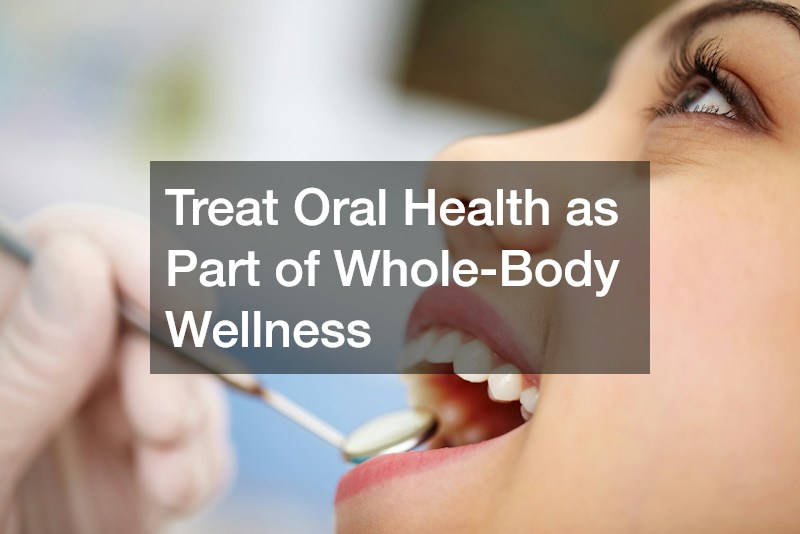
Dental care is often discussed separately from other forms of health care, but oral health plays an important role in everyday comfort and function.
Problems with teeth and gums can affect eating, speaking, sleeping, and confidence. A damaged or painful tooth may also cause someone to chew differently, avoid certain foods, or delay social activities.
Regular dental visits can help identify concerns before they become painful. Depending on someone’s needs, dental treatments may address issues such as:
- Cavities
- Gum inflammation
- Broken or worn teeth
- Missing teeth
- Tooth sensitivity
- Bite problems
- Infections
- Previous dental work that has deteriorated
Early intervention can sometimes mean simpler treatment. A small area of decay may be much easier to address than a tooth that has developed extensive damage or infection.
Appearance is another consideration. Staining, chips, spacing, worn edges, and tooth shape can affect how someone feels about their smile even when the teeth are otherwise functional.
A cosmetic dentist may discuss options designed primarily to improve appearance while also considering how a procedure may affect bite, tooth structure, and future maintenance.
Before pursuing cosmetic changes, ask:
- Will healthy tooth structure need to be removed?
- How long is the treatment expected to last?
- Will it need replacement later?
- What maintenance is required?
- Are there less invasive alternatives?
- Could bite issues affect the result?
It is helpful to separate wants from needs. A procedure recommended to treat decay or restore function serves a different purpose from one chosen primarily for appearance.
That does not make aesthetic goals unimportant. Feeling confident about your smile can matter. The key is understanding exactly what you are paying for and what responsibilities come with the treatment afterward.
Daily habits remain important regardless of the procedures someone chooses. Brushing, flossing, limiting frequent sugary snacks, and keeping regular checkups can help protect both natural teeth and completed dental work.
Repair Damaged Teeth Before Problems Become Larger
Some dental problems begin quietly. A tooth may develop a crack, weakened filling, or area of decay without causing immediate pain. Waiting until symptoms become severe can reduce the number of treatment options available.
Teeth that have lost a significant amount of structure sometimes need additional protection. Someone researching dental crowns in irvine ca, for example, may be dealing with a broken tooth, a large filling, previous root canal treatment, or another issue that has weakened the remaining structure.
A crown generally covers the visible portion of a tooth to restore its shape and help protect what remains underneath. The exact recommendation depends on how much healthy tooth structure is present and whether other problems are involved.
Before treatment, ask about:
- Why a crown is being recommended
- Whether other options are available
- Which materials may be appropriate
- How much tooth preparation is required
- Expected longevity
- Maintenance needs
- Cost and insurance coverage
- Whether any additional treatment is necessary first
Delaying treatment on a structurally compromised tooth can sometimes allow a crack or area of decay to worsen. That may eventually lead to pain, infection, or the need for more extensive care.
Maintaining an ongoing relationship with dentists can make these decisions easier because changes can be monitored over time rather than evaluated only after an emergency develops.
Routine examinations can identify problems such as:
- Small cavities
- Worn fillings
- Gum recession
- Hairline cracks
- Tooth grinding
- Bite changes
- Early gum disease
When a provider can compare current findings with previous visits, subtle changes may be easier to recognize.
Preventive visits also provide an opportunity to discuss home care and ask questions about sensitivity, dry mouth, jaw discomfort, or other concerns before they become more disruptive.
The most valuable dental investment is often not a major procedure. It is consistency. Regular care, good daily habits, and early treatment can help preserve natural teeth and reduce the risk of needing more complicated work later.
Invest in Skills and Sustainable Health Habits

Improving confidence does not always involve receiving a service. Learning a new skill, developing healthier routines, or pursuing a career interest can provide benefits that continue for years.
For someone interested in personal care or the beauty industry, beauty schools may offer training in areas such as hairstyling, skin care, nail services, or aesthetics.
Before enrolling, research the program carefully.
Consider:
- Accreditation
- Licensing preparation
- Tuition and fees
- Program length
- Hands-on training
- Instructor qualifications
- Scheduling options
- Job-placement assistance
- Graduate outcomes
Think about the reason for enrolling as well. Someone exploring a professional career will have different priorities from someone simply interested in learning new techniques.
Education can be an investment in both confidence and earning potential, but only if the program aligns with your goals.
Long-term physical health also benefits from structured habits. People interested in changing their weight should focus on sustainable behaviors rather than extreme short-term results.
Some weight control facilities provide structured programs involving nutrition guidance, activity planning, behavioral support, or medical oversight. Services vary considerably, so investigate exactly what a program offers.
Questions to ask include:
- Is there medical supervision when needed?
- Are nutrition recommendations individualized?
- How are goals determined?
- What happens after the initial program?
- Is exercise guidance included?
- Is behavioral support available?
- Are supplements or medications required?
- What is the total long-term cost?
Be cautious of programs promising unusually rapid results or requiring expensive recurring purchases without a clear long-term plan.
For many people, sustainable health improvement involves gradual changes such as walking more often, improving sleep, preparing more meals at home, drinking enough water, and building routines that can realistically continue.
Progress should not be measured by one number alone. Improvements in energy, strength, mobility, sleep, confidence, and overall well-being can be equally meaningful.
Make Choices That Continue Providing Value

Investing in your health and confidence is not about pursuing every available treatment or service. It is about identifying where your time, energy, and money can produce meaningful improvements in daily life.
Start with concerns that affect comfort, function, or long-term well-being. Address persistent symptoms instead of allowing them to interfere with normal activities. Maintain preventive care so small problems have a better chance of being identified early. When considering appearance-focused services, choose them because they support your own goals rather than because you feel pressured to meet someone else’s expectations.
Research matters. Ask providers about qualifications, risks, expected outcomes, costs, alternatives, and maintenance before committing to a treatment or program. The more clearly you understand what is involved, the easier it becomes to decide whether something is genuinely worthwhile.
Professional services also work best when paired with consistent everyday habits. Sleep, nutrition, movement, hygiene, stress management, and routine health care remain some of the most important investments you can make.
The best choices are usually the ones that continue adding value after the appointment ends. Focus on improvements that help you feel healthier, more comfortable, more capable, and more confident in the way you live each day.
