The modern workforce is shifting. For decades, the traditional narrative pushed high school graduates exclusively toward four-year university degrees, often resulting in heavy student loan debt and mismatched job market skills. Today, a growing realization is turning the spotlight back toward the skilled trades. These industries form the literal backbone of our infrastructure, keeping communities safe, warm, dry, and mobile. Beyond their societal necessity, the trades offer highly rewarding, lucrative, and recession-proof career paths characterized by high job satisfaction, active problem-solving, and rapid pathways to entrepreneurship.
The variety within the skilled trades means there is a niche for almost every interest and personality type. Whether someone enjoys heavy machinery, intricate problem-solving, structural design, or environmental science, a trade career exists to match that passion. Exploring these careers reveals an industry rich with opportunity, evolving technology, and a profound sense of tangible accomplishment.
The Foundation of Modern Infrastructure
Among the most vital sectors within the trades is the field dedicated to fluid dynamics, water safety, and sanitation. Professionals in this sector ensure that clean water flows reliably into homes and businesses while hazardous waste is safely removed. A career in this discipline requires a sharp analytical mind and excellent spatial reasoning, as workers must constantly diagnose hidden system failures and design complex piping layouts.
Entering this field typically begins with an apprenticeship, allowing newcomers to earn a wage while learning from seasoned masters. Daily tasks span a wide spectrum of environments, from residential basements to massive commercial construction sites. A technician might spend their morning responding to an urgent call for plumbing repair, fixing a ruptured pipe or replacing a faulty water heater, and then spend the afternoon interpreting blueprints for a new housing development. As infrastructure ages across the country, the demand for these specialized problem-solvers remains exceptionally high, offering unprecedented job security.
Precision Engineering in Year-Round Comfort
Climate control and thermal systems represent another sophisticated avenue within the mechanical trades. HVAC (Heating, Ventilation, and Air Conditioning) and boiler technicians are responsible for the complex machinery that regulates indoor environments, which is critical for human comfort and industrial operations alike. This sector has become increasingly high-tech, relying on digital diagnostics, automated smart controls, and energy-efficient designs.
Technicians specializing in heavy heating infrastructure frequently work with complex pressurized systems in schools, hospitals, and apartment complexes. Mastering the nuances of a commercial boiler installation involves an intimate understanding of thermodynamics, electrical wiring, and strict safety protocols. Because these systems are vital to a building’s operation, specialized technicians are highly respected and compensated accordingly. This career path appeals to those who enjoy working with complex electrical schematics and heavy machinery, providing a perfect blend of mental and physical engagement.
Craftsmanship and Architectural Heritage
For those drawn to working with natural materials and preserving timeless building traditions, structural carpentry offers deeply fulfilling career options. This specialized branch of construction focuses on building the load-bearing frameworks of homes, barns, and commercial structures. It is a field where mathematics meets physical artistry, requiring a deep understanding of wood science, structural engineering, and traditional joinery techniques.
Artisans in this sector frequently utilize large, heavy timbers connected by intricate wooden pegs rather than modern metal fasteners. Engaging in timber frame construction connects a worker to centuries of architectural history while utilizing cutting-edge computer-aided design (CAD) software to pre-engineer joints with millimeter precision. Watching a massive, hand-crafted wooden structure rise from the ground provides a level of visual and professional satisfaction that few desk jobs can replicate.
Safeguarding Structures from the Elements
Every building requires protection from the harsh realities of weather, making building envelope specialists some of the most critical workers in the construction ecosystem. Roofers and structural preservationists protect interiors from water damage, wind, and thermal loss. This trade demands physical stamina, a strong commitment to safety protocols, and a solid understanding of diverse materials ranging from traditional asphalt shingles to advanced synthetic membranes and architectural metals.
A professional in this field must be prepared to diagnose complex leaks that can elude untrained eyes. When severe weather hits, these crews are the first responders tasked with a critical roof repair to prevent catastrophic structural failure. The work is physically demanding and requires comfort with heights, but it offers a fast-paced environment and immediate, visible results at the end of every workday. Furthermore, the constant need for maintenance and storm restoration ensures that employment remains steady regardless of broader economic fluctuations.
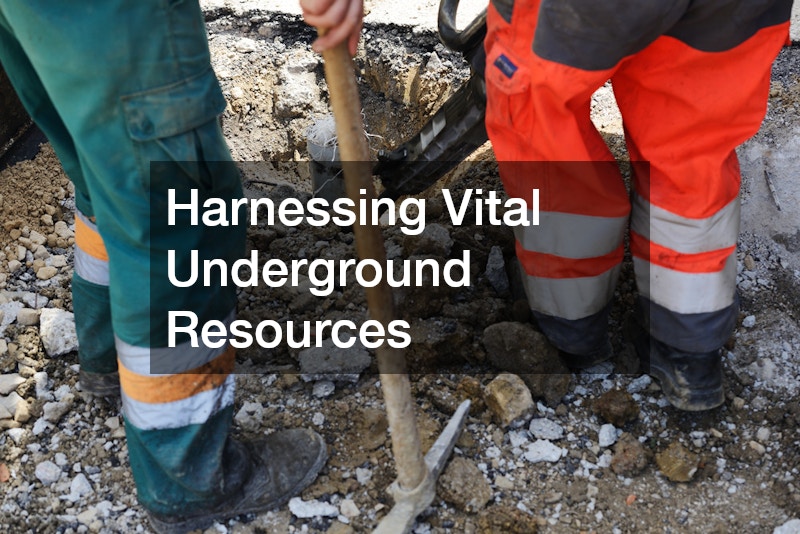
Harnessing Vital Underground Resources
Water is humanity’s most precious resource, and accessing clean groundwater requires an entirely distinct class of specialized tradespeople. Heavy equipment operators and environmental technicians in the drilling industry combine geology, mechanical engineering, and heavy machinery operation to tap into aquifers hundreds of feet below the earth’s surface.
This line of work is ideal for individuals who love heavy machinery and enjoy working outdoors in varying terrains. A typical project involves mobilizing massive drilling rigs, monitoring soil formations, and executing a precise water well drilling operation to establish a reliable source of clean water for rural homes, agricultural operations, or municipal systems. It is a highly technical field where operators must understand fluid pressures, geological layers, and strict environmental protection laws to prevent contamination of precious water tables.
Managing the Subterranean Network
While some trades focus on bringing water into a property, others are dedicated to managing the critical infrastructure that carries waste away. Subterranean utility technicians work with the hidden networks of pipes running beneath cities and neighborhoods. This sector has experienced a technological revolution, utilizing closed-circuit television (CCTV) robotic cameras and trenchless technologies to inspect and fix systems without digging up entire streets. Modern utility workers are no longer relegated to arbitrary digging; instead, they operate like surgical teams, deploying remote-controlled rovers equipped with high-definition optical lenses and sonar arrays to assess pipes from the inside out. This shift toward high-tech, non-invasive methodologies means that municipal systems can be completely restored or structurally reinforced with cured-in-place pipe (CIPP) liners, saving millions of dollars in pavement restoration and minimizing traffic disruptions for local communities.
When these underground systems fail, it creates an immediate public health emergency. Technicians specializing in sewer repair must act quickly, using high-tech diagnostic equipment to locate blockages or structural collapses caused by shifting soil or invasive tree roots. The pressure in these situations is intense, as structural failures can lead to environmental contamination or property flooding if not handled immediately. Specialists must master hydraulic principles, understand soil mechanics, and skillfully operate heavy equipment like vacuum excavators and hydro-jetting rigs. They must carefully isolate the problem zone while keeping vital municipal services running smoothly for surrounding neighborhoods.
This career path suits analytical thinkers who enjoy operating specialized tech and diagnostics, offering the gratification of solving complex problems that directly protect public health and local ecosystems. It bridges the gap between rugged outdoor field work and advanced engineering, attracting individuals who love spatial puzzles and real-time troubleshooting. As cities across the nation face the immense challenge of updating centuries-old clay and cast-iron infrastructure, these underground specialists are highly sought after. They enjoy exceptional job security and a clear, rewarding career progression from field operations to utility management, mapping, and infrastructure design.
Remediation and Environmental Stewardship
As building sciences evolve, the industry places a greater emphasis on indoor air quality and environmental health. When buildings suffer from water intrusion, poor ventilation, or historic neglect, specialized environmental remediation technicians are called in to restore safety to the indoor environment. This field requires rigorous training in hazardous materials, containment strategies, and microbiology.
Working in this sector involves identifying the root causes of biological contamination and safely neutralizing threats. Technicians entering a compromised structure must deploy negative air pressure machines, construct physical containment zones, and perform thorough mold removal service to make the property habitable again. It is a meticulous, detail-oriented trade that appeals directly to individuals who want a career focused on environmental safety, health compliance, and helping families or businesses recover from property disasters.
Driving the Transport and Logistics Sector
For those fascinated by mechanical systems, electronics, and internal combustion engines, the automotive and transport sector provides an endless array of career opportunities. Modern vehicles are essentially rolling computers, meaning today’s mechanics are as much computer technicians as they are mechanical fixers.
A technician working in a busy auto repair shop diagnoses intricate electrical faults, services advanced driver-assistance systems, and performs vital mechanical overhauls. As vehicles become increasingly reliant on complex networks of microprocessors, sensors, and fiber-optic communication lines, the daily reality of an automotive service professional has fundamentally transformed. Today’s technicians do not just turn wrenches; they interface with sophisticated proprietary software, interpret real-time data streams, and use advanced oscilloscopes to track down elusive glitches in a vehicle’s multiplexing system. This requires a high degree of critical thinking and analytical skill, blending traditional mechanical intuition with the precision of an IT specialist.
Because of this rapid evolution, this field rewards continuous learning, as manufacturers roll out new electric, hybrid, and autonomous vehicle technologies every year. A professional who masters internal combustion engines must now also understand high-voltage battery architecture, regenerative braking mechanics, and thermal management systems designed for lithium-ion packs. Staying relevant means pursuing ongoing factory training and staying ahead of the curve as software-defined vehicles become the industry standard. This constant evolution ensures the work never becomes stagnant, offering a lifelong intellectual challenge for those who take pride in mastering cutting-edge technology.
Furthermore, the industry provides excellent economic stability and upward mobility. It offers a structured career ladder, moving from general maintenance roles to master technician certifications, with many professionals eventually opening their own service centers. An entry-level lube technician can steadily progress by earning specialized Automotive Service Excellence (ASE) certifications in areas like advanced engine performance, electronic systems, and alternative fuel vehicles. As their expertise deepens, so does their earning potential and market demand. For individuals with an entrepreneurial spirit, this technical foundation serves as the perfect springboard to business ownership, allowing them to manage their own teams, build community trust, and drive financial success in a market that will always require expert hands-on maintenance.
Navigating Corporate Construction and Management
The skilled trades are not limited to individual service calls; they scale up to massive organizations responsible for shaping the skylines of our cities. The commercial and industrial construction sectors employ project managers, estimators, safety directors, and site superintendents who orchestrate hundreds of workers and millions of dollars in materials. The logistical complexity of managing a modern, large-scale build is immense, requiring a deep understanding of supply chain coordination, labor forecasting, and legal compliance. Teams must coordinate the arrival of heavy machinery, pre-fabricated structural components, and specialized sub-contractors in a precisely timed sequence. This high-stakes environment leverages advanced project management software, building information modeling (BIM), and real-time drone telemetry to track progress and catch errors before they manifest physically on the job site.
Working within large construction companies requires a unique blend of trade knowledge and corporate leadership skills. Professionals in these roles oversee the transformation of raw land into highways, skyscrapers, and residential communities. They serve as the critical translators of the building world, bridging the gap between architects, engineers, and frontline tradespeople, ensuring that massive projects are completed safely, on time, and within budget. This requires navigating complex human dynamics, balancing contract requirements, managing financial risks, and resolving technical disputes on the fly. A successful manager must understand the physics of a structural weld just as well as they understand a corporate balance sheet.
This path offers incredible upward mobility for tradespeople looking to transition from field labor into corporate management and executive leadership. Because the best leaders understand how a project actually comes together on the ground, individuals with practical field experience are highly prized in the corporate office. A carpenter, electrician, or ironworker can rise through the ranks to become a superintendent, operations director, or even a chief executive. As the industry faces a wave of retirements among senior management, there is an urgent need for tech-savvy, field-tested professionals to step into these lucrative roles. This pathway proves that a career in the trades does not mean sacrificing corporate advancement; rather, it provides a uniquely stable foundation for building a multi-million-dollar business career.
The Sustainable Circle of Industrial Recycling
The lifecycle of materials used in the trades is inherently circular, and a vital yet frequently overlooked career sector exists within industrial recycling and material reclamation. Metal recyclers and salvage experts manage the flow of decommissioned machinery, structural steel, and manufacturing waste, processing it so it can be melted down and reborn as new products.
Professionals operating within a local scrap yard deal with logistics, heavy equipment operation, and material science. They must categorize diverse alloys, operate massive hydraulic shears and magnets, and manage global supply chain logistics. This trade is perfect for individuals interested in sustainable industrial practices, logistics, and hands-on material management, playing an essential role in reducing the environmental impact of manufacturing and construction worldwide.
The skilled trades offer an unparalleled diversity of career options, each presenting a viable pathway to financial independence, intellectual engagement, and professional pride. By stepping away from conventional corporate paths and embracing these essential vocations, the next generation of workers can build a future defined by tangible achievements, continuous learning, and enduring stability.